Understanding Curtain Wall Systems
A curtain wall system is a non-load-bearing façade that allows for natural light while providing a sleek, modern aesthetic. As buildings have evolved, so have the materials and technologies used in curtain wall design. Architects and builders today are increasingly drawn to these systems for their versatility and structural capabilities. The integration of Currain wall system exemplifies the advancements in this field, combining aesthetic appeal with functional integrity.
What is a Curtain Wall System?
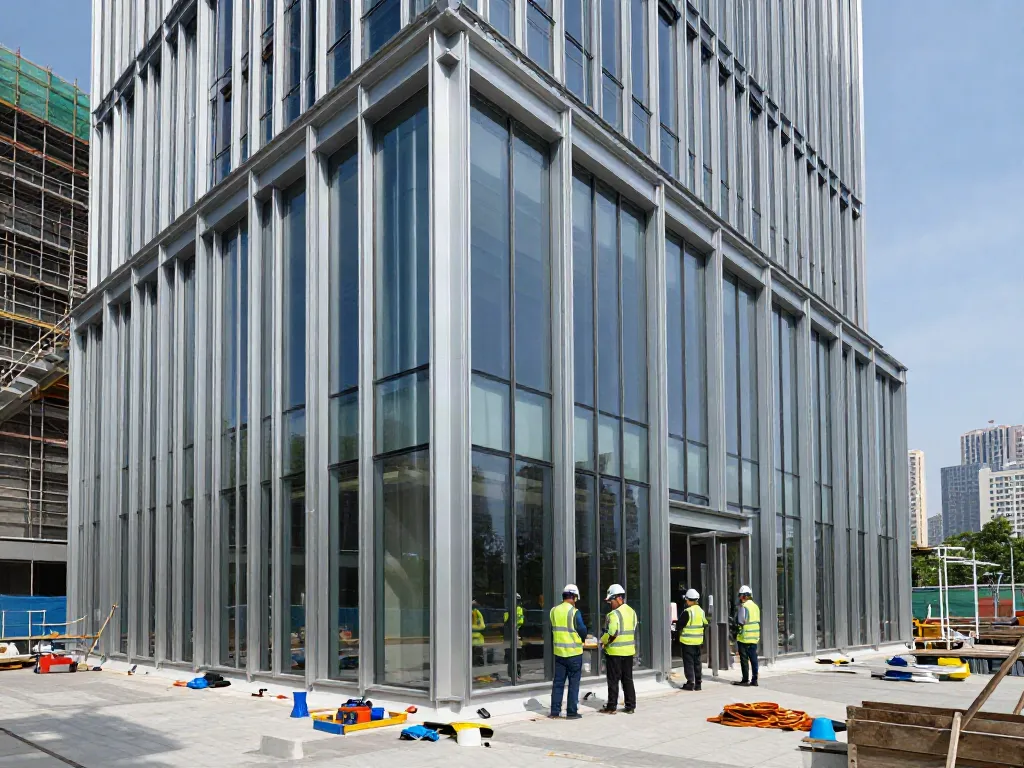
Curtain wall systems are designed primarily for the external walls of buildings, serving as a protective layer against weather elements while enhancing the building's exterior appearance. Unlike traditional walls, which support a building's weight, curtain walls are suspended from the structure and are typically made from lightweight materials such as glass, aluminum, and various composite materials. This allows for expansive glass surfaces that can improve natural lighting and provide stunning views.
Key Components and Materials Used
The major components of a curtain wall system include the framing structure, glass panels, and weatherproofing materials. The framing is usually constructed from aluminum or steel, chosen for their strength-to-weight ratio and resistance to corrosion. Glass panels may be treated for thermal insulation, UV protection, and impact resistance, ensuring both durability and energy efficiency. Other materials such as sealants and gaskets are crucial for waterproofing and temperature regulation, completing the system's effectiveness.
Benefits of Curtain Wall Systems in Modern Architecture
- Energy Efficiency: Modern curtain wall systems are highly insulated, which can significantly reduce heating and cooling costs.
- Aesthetic Appeal: Available in various designs, they allow architects to create visually striking structures.
- Natural Light: The extensive use of glass enhances interior illumination, promoting a better quality of life for occupants.
- Flexible Design: New modular designs can adapt to various building shapes and heights.
Historical Development of Curtain Wall Systems
Curtain walls have significantly evolved since their inception in the early 20th century. Originally used in skyscrapers to reduce weight, they have now become a stylish standard for prominent buildings worldwide. Over the decades, advancements in engineering and materials have made these systems safer and more efficient.
Early Examples of Curtain Wall Applications
One of the earliest notable examples of curtain wall technology is the 1902 Flatiron Building in New York City. Its pioneering design showcased the potential of utilizing a non-load-bearing façade. As architects began to explore the possibilities of glass and steel, several iconic buildings emerged, illustrating the aesthetic and functional advantages of curtain walls.
Technological Advancements Over the Decades
The 1960s and 70s saw a surge in skyscraper construction, leading to innovations in curtain wall technology. The introduction of insulated glass units (IGUs) improved energy performance, while advancements in manufacturing techniques enhanced the precision and reliability of the systems. Today, automated fabrication processes allow for more complex designs without compromising structural integrity.
Impact of Design Trends on Curtain Wall Evolution
Design movements such as Modernism and Postmodernism have significantly influenced curtain wall aesthetics. The demand for sleek, minimalistic designs led to the development of frameless glass systems, while sustainability trends have prompted the incorporation of green building materials and energy-efficient elements within curtain wall systems.
Modern Innovations in Curtain Wall Systems
As we enter a new era of architecture and design, modern curtain wall systems are integrating innovative materials and techniques that address efficiency and sustainability.
Latest Materials and Construction Techniques
Today's curtain walls often incorporate advanced materials like high-performance glazed glass and thermally broken aluminum. These innovations help reduce energy loss and enhance occupant comfort. Additionally, digital design technologies streamline the construction process, ensuring precision and adaptability in response to design challenges.
Sustainable Practices in Curtain Wall Design
Current trends emphasize the importance of sustainability in architectural design. Many manufacturers now offer curtain wall systems that utilize recycled materials and are designed for disassembly at the end of their life cycle. Moreover, integrating solar panels and green roofs with curtain wall systems is becoming increasingly popular, allowing buildings to generate energy while maintaining aesthetic appeal.
Case Studies of Iconic Buildings Using Curtain Walls
Several iconic buildings exemplify the successful integration of curtain wall systems. The Burj Khalifa in Dubai utilizes a sophisticated curtain wall designed to withstand the region's harsh weather conditions while offering uninterrupted views of the skyline. Similarly, the One World Trade Center in New York showcases the resilience and beauty of modern curtain wall technology, combining security with visual elegance.
Challenges and Considerations in Installation
Despite their many benefits, installing curtain wall systems presents unique challenges that require careful planning and execution.
Common Installation Obstacles and Solutions
One common obstacle is the building's foundation and structural integrity. Adequate support must be provided to handle the weight and stress of the curtain wall system. Collaborating closely with structural engineers during the design phase can help mitigate potential issues.
Maintaining Structural Integrity in Diverse Climates
Extreme weather conditions can impact the performance of curtain walls. Areas prone to heavy winds may require reinforced framing, while regions with significant thermal fluctuations necessitate expansion joints to allow for movement without compromising the integrity of the system.
Cost and Time Management for Curtain Wall Projects
Effective time management and budgeting are essential for any curtain wall project. Delays in material supply or design changes can significantly impact project timelines. Utilizing prefabricated components can often reduce installation time, but careful coordination among stakeholders is crucial to ensure timely deliveries.
Future Trends in Curtain Wall Systems for 2026 and Beyond
The future of curtain wall systems looks bright, with ongoing innovations promising to revolutionize their application in the architectural landscape.
Emerging Technologies Impacting Curtain Walls
Technologies like Building Information Modeling (BIM) are transforming how curtain walls are designed and executed. BIM allows for precise visualization and analysis, improving collaboration between architects, engineers, and construction teams.
Predicted Design Trends Shaping Future Installations
Future curtain wall designs are expected to prioritize adaptability and modularity. As urban environments become more dynamic, buildings will require facades that can evolve over time, reflecting changing needs and aesthetics.
Regulatory Changes Affecting Building Facades
With a growing emphasis on sustainability and energy efficiency, governments are increasingly implementing stricter regulations regarding building codes. Curtain wall systems will need to adapt to these evolving standards, focusing on performance metrics like thermal efficiency and environmental impact.